

The United States is making another major move to strengthen its leadership in artificial intelligence by investing $300 million in next-generation AI chip technology. The funding aims to improve high-speed chip communication using silicon photonics, helping build faster, more efficient computing systems for the rapidly growing AI industry.
As demand for advanced AI applications continues to rise, this investment is expected to accelerate innovation across the semiconductor industry, strengthen AI infrastructure, and support the expansion of modern AI data centers. The initiative also reinforces the country’s long-term commitment to future technology and digital innovation.

Why the Investment Matters
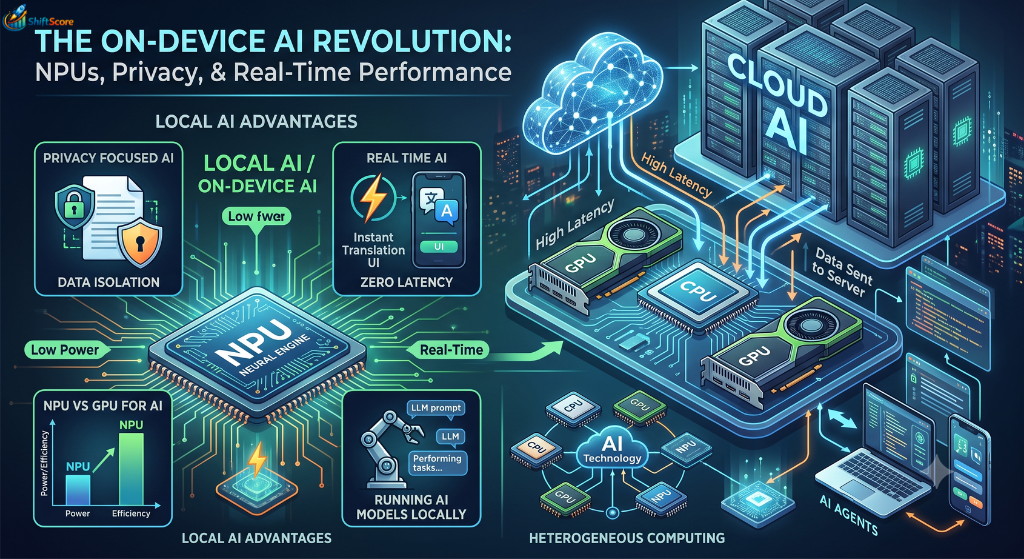
The rapid growth of artificial intelligence has increased the need for powerful processors capable of handling massive workloads. Modern AI models require enormous computing power, making AI chip technology one of the most valuable sectors in today’s technology landscape.
The new investment focuses on improving communication between AI processors through silicon photonics, a technology that uses light instead of electrical signals to transfer data. This approach reduces energy consumption, increases data transfer speeds, and helps overcome limitations found in traditional chip connections.
For businesses building AI-powered products, these improvements could significantly increase performance while lowering operational costs.
Understanding Silicon Photonics
Silicon photonics combines semiconductor manufacturing with optical communication, allowing data to travel at extremely high speeds using light.
Unlike conventional electrical wiring, optical connections generate less heat and support much greater bandwidth. These advantages are becoming increasingly important as AI data centers continue to expand worldwide.
With more companies deploying large language models, autonomous systems, and advanced analytics, silicon photonics is expected to become a key technology behind the next generation of AI computing.
Boosting the Semiconductor Industry
The investment is also designed to strengthen the semiconductor industry, which remains critical to global technological leadership.
Semiconductors power everything from smartphones and laptops to autonomous vehicles and industrial automation. As AI applications become more sophisticated, manufacturers are developing specialized chips capable of processing complex AI workloads much faster than traditional processors.
By supporting research and production, the United States aims to reduce supply chain risks while encouraging domestic innovation in advanced semiconductor manufacturing.
Industry experts believe this initiative could create new opportunities for manufacturers, researchers, and technology startups working on AI hardware solutions.
Stronger AI Infrastructure
Reliable AI infrastructure is essential for training and deploying modern AI systems.
Large AI models require thousands of interconnected processors operating together inside highly specialized facilities. Faster chip communication improves efficiency, allowing organizations to process larger datasets while reducing power consumption.
The investment will help modernize the hardware foundation needed for future AI breakthroughs across healthcare, finance, education, manufacturing, cybersecurity, and scientific research.
Improved AI infrastructure also benefits businesses by enabling faster deployment of intelligent applications and more reliable cloud-based AI services.
The Future of AI Data Centers
Today’s AI data centers consume enormous amounts of electricity while handling billions of AI calculations every day.
New AI hardware based on advanced optical communication technologies can significantly improve performance without dramatically increasing energy usage.
As AI adoption continues to grow, data centers must balance processing power with sustainability. Technologies such as silicon photonics provide a practical path toward building greener, faster, and more scalable computing environments.
This investment supports the development of efficient infrastructure capable of powering tomorrow’s AI applications.
Impact on Cloud Computing
The growth of cloud computing has transformed how organizations access advanced technologies.
Instead of purchasing expensive hardware, businesses increasingly rely on cloud providers for AI development, machine learning, and data analytics.
More powerful AI chip technology allows cloud platforms to deliver faster AI services while supporting millions of users simultaneously.
Improved chips also reduce latency and increase computing efficiency, making cloud-based AI more accessible to startups, enterprises, researchers, and developers worldwide.
Driving Future Technology
Investments in future technology rarely produce immediate results, but they often shape innovation for years to come.
By supporting advanced semiconductor research, optical networking, and AI computing, the United States is preparing for the next wave of digital transformation.
Industries including robotics, autonomous transportation, precision medicine, smart manufacturing, cybersecurity, and scientific computing are expected to benefit from stronger AI capabilities built on modern hardware.
Continued investment in innovation ensures that businesses remain competitive as AI becomes a core part of everyday operations.
What It Means for Businesses
Companies developing AI products can expect faster hardware, improved cloud services, and more efficient computing platforms over the coming years.
Technology firms, startups, and research organizations may also benefit from stronger domestic semiconductor production and expanded AI infrastructure.
For consumers, these developments could eventually lead to smarter digital assistants, faster search tools, improved healthcare diagnostics, better autonomous systems, and more responsive online services.
Conclusion
The US government’s $300 million investment represents an important step toward strengthening AI chip technology, advancing silicon photonics, and supporting the semiconductor industry.
As artificial intelligence continues transforming industries worldwide, investments in AI infrastructure, AI hardware, AI data centers, and cloud computing will play a vital role in shaping the next generation of future technology.
While the full impact will unfold over the coming years, this initiative highlights how strategic investments in advanced computing can drive innovation, improve efficiency, and prepare the global technology ecosystem for the future.









Leave a Reply