

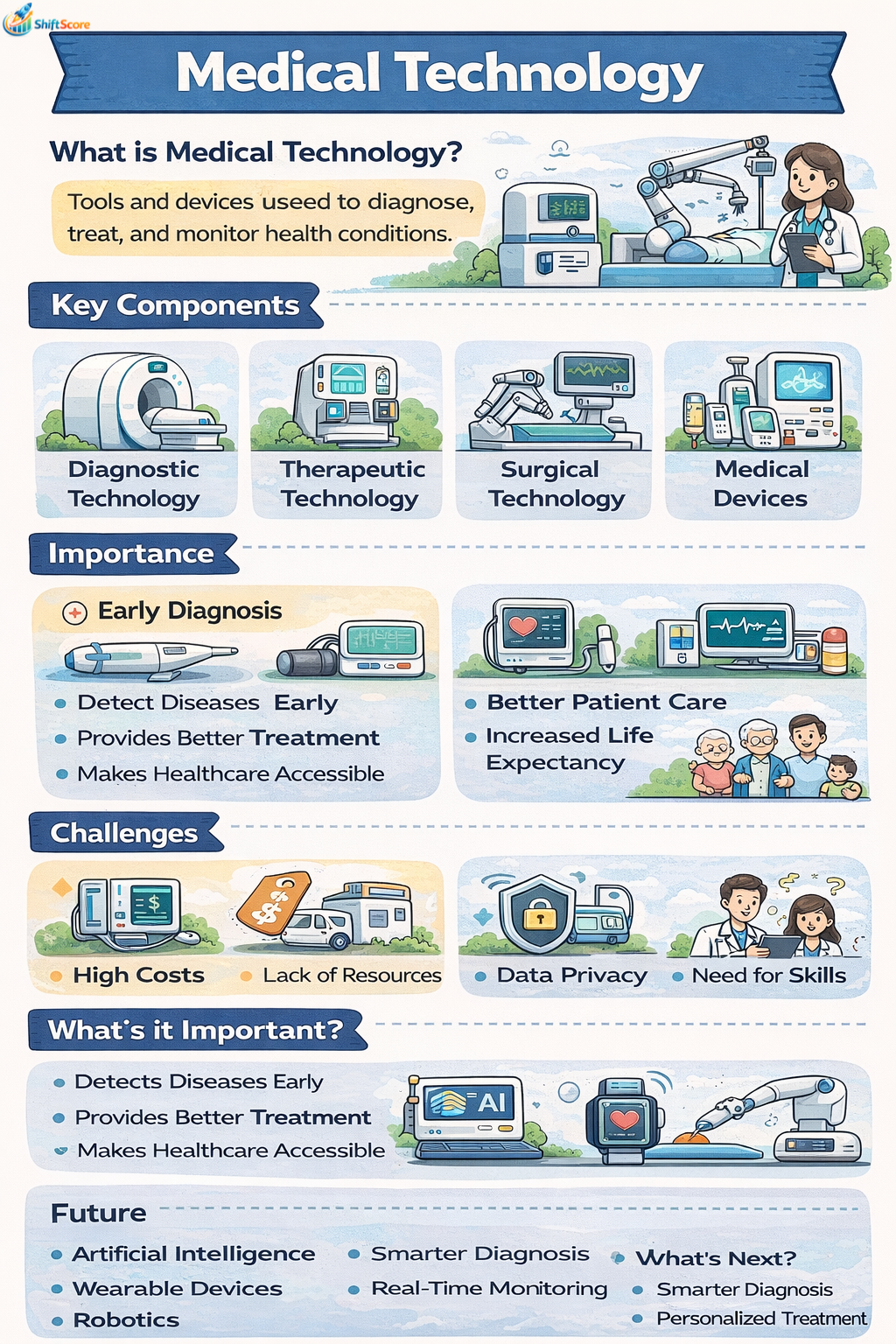
In 2026, medical technology is redefining how healthcare is delivered, managed, and experienced. From advanced medical devices to intelligent systems powered by ai in healthcare, innovation is improving patient outcomes and making treatment more efficient. The rapid growth of digital health and medtech solutions is enabling hospitals, doctors, and patients to connect like never before.
Artificial Intelligence in Medicine
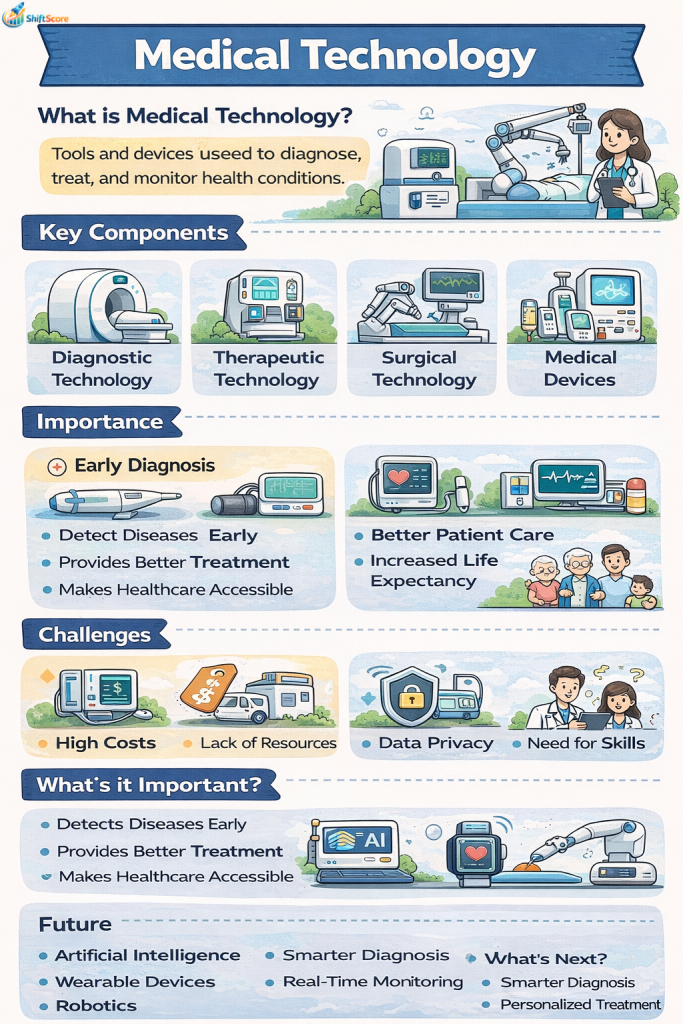
One of the biggest drivers of change in medical technology is artificial intelligence in medicine. AI systems are being used for ai diagnostics, helping doctors detect diseases earlier and with greater accuracy. These tools analyze medical images, patient data, and historical patterns to provide faster and more reliable diagnoses.
The use of ai in healthcare is also reducing human error and improving decision-making. As health tech continues to evolve, AI-powered solutions are becoming essential in modern hospitals.
Digital Healthand Connected Care
The rise of digital health has transformed patient care. With the help of mobile apps, wearable devices, and online platforms, patients can monitor their health in real time.
Telemedicine is another key innovation in medical technology, allowing patients to consult doctors remotely. This has made healthcare more accessible, especially in rural and underserved areas. The integration of digital health platforms with smart hospitals ensures seamless communication between patients and healthcare providers.
Smart Hospitals and Advanced Infrastructure
Modern smart hospitals are equipped with advanced systems that use automation and data analytics to improve efficiency. These hospitals rely on medical devices connected through IoT to monitor patient health continuously.
The use of medtech solutions in smart hospitals ensures better resource management and faster response times. With the integration of ai in healthcare, hospitals can predict patient needs and optimize treatment plans.
CRISPR and Gene Therapy
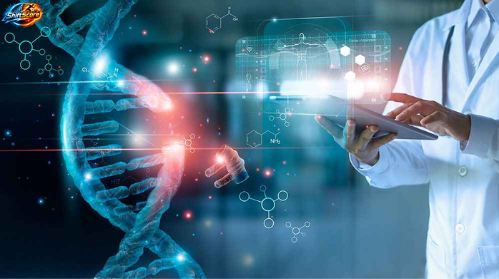
Breakthroughs in genetics are transforming medical technology. CRISPR technology allows scientists to edit genes with precision, opening new possibilities for treating genetic disorders.
Gene therapy is another revolutionary approach, enabling doctors to treat diseases at their root cause. These advancements are paving the way for personalized medicine, where treatments are tailored to individual genetic profiles.
Robotic Surgery and Precision Treatment
The introduction of robotic surgery has improved surgical precision and reduced recovery times. Surgeons can now perform complex procedures with greater accuracy, minimizing risks and complications.
This innovation in medical technology is particularly beneficial for delicate operations. Combined with ai diagnostics, robotic surgery is enhancing the overall quality of healthcare services.
Personalized Medicine and Patient-Centric Care
The concept of personalized medicine is gaining momentum in modern healthcare. By analyzing genetic data and patient history, doctors can create customized treatment plans.
This approach is supported by artificial intelligence in medicine and digital health tools, which provide detailed insights into patient conditions. As a result, treatments are becoming more effective and targeted.
Health Tech and Medical Devices
The growth of health tech has led to the development of innovative medical devices that improve patient care. From wearable monitors to advanced imaging systems, these devices play a crucial role in diagnosis and treatment.
The integration of medtech solutions with ai in healthcare ensures real-time data analysis and better decision-making. This combination is driving the future of medical technology.
Telemedicine and Remote Healthcare
Telemedicine has become a vital part of modern healthcare. It allows patients to consult doctors without visiting hospitals, saving time and resources.
With the support of digital health platforms, telemedicine is making healthcare more accessible and efficient. It is especially useful in managing chronic diseases and providing continuous care.
Future of Medical Technology
The future of medical technology looks promising, with continuous advancements in ai diagnostics, robotic surgery, and crispr technology. The integration of ai in healthcare with smart hospitals will further enhance patient care.
As gene therapy and personalized medicine continue to evolve, healthcare will become more precise and effective. The growth of health tech and medtech solutions will drive innovation and improve global healthcare systems.
Conclusion
In conclusion, medical technology is transforming healthcare by integrating advanced tools and intelligent systems. From ai in healthcare and artificial intelligence in medicine to telemedicine and robotic surgery, every innovation is improving patient outcomes.
The rise of digital health, smart hospitals, and cutting-edge solutions like crispr technology and gene therapy highlights the future of healthcare. As medtech continues to evolve, the world is moving toward a more connected, efficient, and patient-centric healthcare system.






Leave a Reply