

Introduction
India is taking another major step toward becoming a global economic powerhouse with its proposed ₹2 trillion highway plan to build nearly 10,000 km of new bypasses and ring roads over the coming years. The ambitious initiative is expected to strengthen India infrastructure, reduce traffic congestion, improve connectivity, and support faster economic development across urban and rural regions.
As the demand for better transportation continues to grow, investment in highway infrastructure has become a national priority. The new road network will complement existing initiatives such as the Bharatmala Project, helping create a modern transportation system that supports industries, businesses, and millions of daily commuters.
This large-scale investment is expected to transform national highways, improve freight transportation, and accelerate infrastructure projects that are essential for India’s future.

A New Era for India Infrastructure
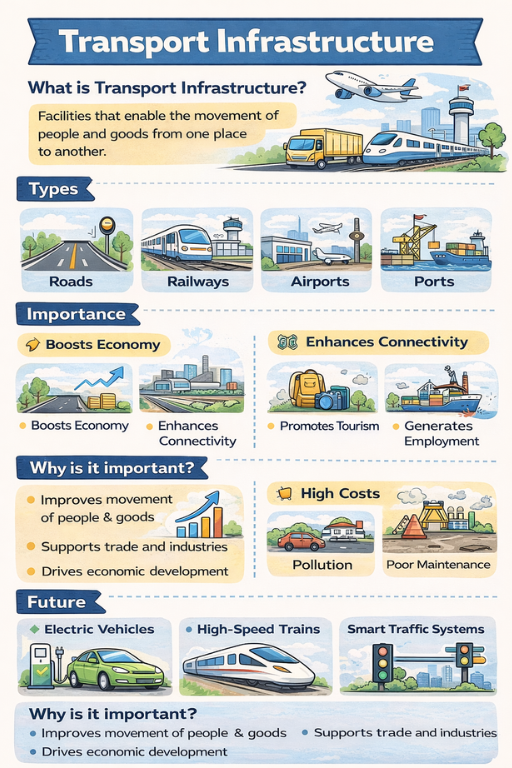
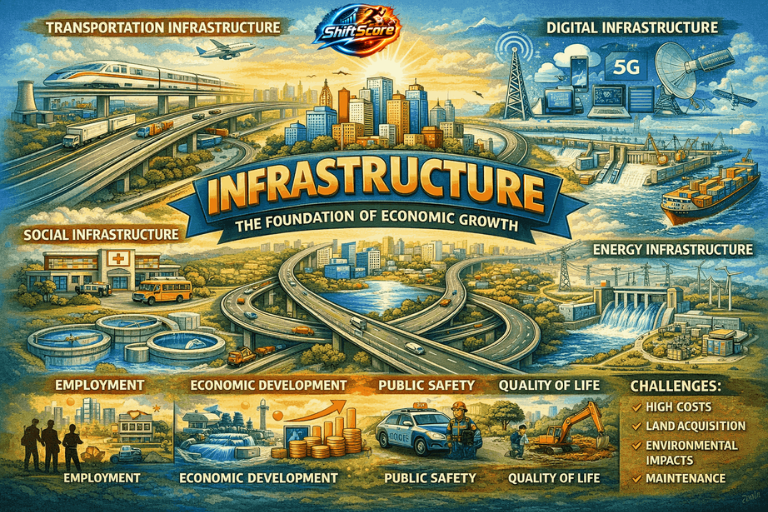
Over the past decade, India infrastructure has witnessed remarkable growth through investments in highways, railways, airports, ports, and smart cities. The government’s latest highway proposal continues this momentum by focusing on reducing travel time and improving transportation efficiency.
The project aims to construct approximately 10,000 km of bypasses and ring roads around nearly 500 cities. These roads will divert heavy traffic away from city centers, making urban transportation smoother while reducing congestion on existing national highways.
This initiative is also expected to strengthen urban infrastructure, improve regional connectivity, and encourage balanced economic development across different states.
Building on the Success of the Bharatmala Project
The proposed highway expansion builds upon the achievements of the Bharatmala Project, one of India’s largest road development programs.
The Bharatmala Project focuses on improving highway connectivity, border roads, economic corridors, coastal roads, and logistics efficiency. The new bypass initiative complements these efforts by addressing bottlenecks that often slow traffic near major cities.
Together, these infrastructure projects will help create an integrated road network capable of supporting India’s rapidly growing economy.
Improved road network India will allow faster movement of goods, reduce transportation costs, and strengthen national connectivity.
Expanding National Highways Across India
India’s expanding national highways network plays a critical role in connecting industries, ports, airports, and manufacturing hubs.
The proposed bypasses will ease pressure on busy highways while improving long-distance travel for commercial and passenger vehicles.
Modern highway engineering techniques will be used to design roads that offer better durability, smoother traffic flow, and improved safety standards.
The expansion of expressways in India will further support high-speed travel and strengthen transportation links between major economic centers.
With continuous investment in highway infrastructure, India is positioning itself as one of the world’s fastest-growing transportation markets.
Reducing Traffic Congestion in Cities
One of the biggest objectives of the project is reducing traffic congestion in rapidly growing cities.
Heavy trucks often pass through urban centers because alternative routes are unavailable. The new bypasses will redirect commercial vehicles away from crowded city roads, improving travel conditions for local commuters.
Reduced traffic congestion will also lower travel times, decrease fuel consumption, and improve overall transportation efficiency.
Better urban infrastructure allows cities to grow sustainably while providing residents with safer and more efficient mobility options.
Supporting Freight Transportation and India Logistics
Efficient freight transportation is essential for economic growth.
India’s manufacturing sector, agricultural supply chains, and e-commerce industry depend heavily on reliable road connectivity.
The new highway network will significantly strengthen India logistics by reducing delivery times and transportation costs.
Improved road network India will help businesses move raw materials and finished products more efficiently between production centers, warehouses, ports, and markets.
Lower logistics costs will increase the competitiveness of Indian industries in both domestic and international markets.
Smart Infrastructure for the Future
Modern highways are no longer just roads—they are part of a larger smart infrastructure ecosystem.
The proposed bypasses are expected to include intelligent traffic management systems, digital monitoring, automated toll collection, and advanced surveillance technologies.
Developing smart infrastructure will improve traffic management while providing real-time information to highway authorities and commuters.
The integration of digital technologies into highway infrastructure represents an important step toward building future-ready transportation systems.
Green Infrastructure and Sustainable Development
Sustainability has become an important component of modern infrastructure projects.
The government is increasingly emphasizing green infrastructure through environmentally responsible road construction practices.
Tree plantations, wildlife crossings, rainwater harvesting systems, and energy-efficient lighting are expected to become standard features along many new highways.
Reduced traffic congestion will also help decrease fuel consumption and vehicle emissions, contributing to cleaner air and improved environmental performance.
The development of green infrastructure supports India’s long-term climate and sustainability goals.
Road Construction and Civil Engineering Innovation
Large-scale road construction projects require advanced planning, engineering expertise, and modern construction technologies.
Indian engineers continue to adopt innovative civil engineering practices that improve highway quality while reducing project completion time.
Modern highway engineering techniques include stronger pavement materials, better drainage systems, intelligent bridge design, and advanced construction equipment.
These innovations improve road durability while lowering long-term maintenance costs.
The growth of civil engineering expertise also creates opportunities for professionals, contractors, and infrastructure companies across the country.
Improving Road Safety
Better highways directly contribute to improved road safety.
The new bypasses will reduce conflict between heavy commercial vehicles and local city traffic.
Modern highway design includes wider lanes, better signage, improved lighting, crash barriers, emergency response systems, and pedestrian safety measures.
Investments in road safety help reduce accidents while making transportation more reliable for both commercial and private vehicles.
Improved road construction standards also ensure safer driving conditions during all weather conditions.
Driving Economic Growth
Perhaps the biggest long-term benefit of this project is accelerated economic growth.
Efficient transportation networks reduce logistics costs, encourage private investment, create employment opportunities, and improve access to markets.
Construction activities alone will generate thousands of jobs across engineering, manufacturing, logistics, and construction industries.
Improved India infrastructure also attracts domestic and international investors looking for reliable transportation networks.
As more expressways in India and bypasses become operational, businesses will benefit from faster connectivity and lower operating costs.
Ultimately, stronger highway infrastructure supports manufacturing, agriculture, tourism, exports, and overall national development.
Conclusion
India’s proposed ₹2 trillion highway plan represents one of the country’s most significant transportation initiatives in recent years. By expanding national highways, strengthening India infrastructure, supporting India logistics, and investing in smart infrastructure, the government aims to create a faster, safer, and more sustainable transportation network.
The project builds upon the success of the Bharatmala Project while introducing thousands of kilometers of new bypasses that will reduce traffic congestion, improve freight transportation, and enhance road safety.
Combined with modern road construction, innovative civil engineering, and environmentally responsible green infrastructure, these ambitious infrastructure projects are expected to reshape India’s transportation landscape for decades to come.
As construction progresses, the new highway network will not only improve connectivity but also contribute significantly to economic growth, making India better prepared for future mobility, trade, and industrial expansion.







Leave a Reply