

The rapid growth of artificial intelligence is reshaping the world’s economy and accelerating investment in AI infrastructure boom projects. From advanced cloud infrastructure and AI-powered data centers to smarter energy networks and sustainable cities, governments and technology companies are investing billions to prepare for the future. Today’s world infrastructure news is increasingly dominated by projects that combine artificial intelligence, clean energy, and digital transformation.
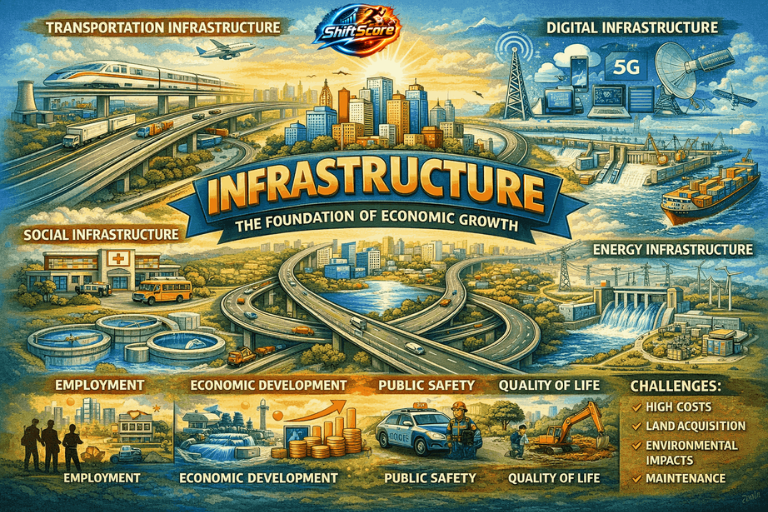
As AI adoption continues to expand, infrastructure is no longer limited to roads, bridges, and railways. Modern infrastructure now includes intelligent computing systems, advanced communication networks, renewable power, and semiconductor manufacturing that support the digital economy.

AI InfrastructureBoom Drives Global Investment
The ongoing AI infrastructure boom is creating unprecedented demand for computing resources, digital connectivity, and sustainable energy. Companies developing advanced AI models require powerful servers, high-speed networking, and specialized processors capable of handling enormous workloads.
This surge has made AI infrastructure boom projects one of the fastest-growing sectors in global development. Governments are encouraging private investment while expanding national digital capabilities to remain competitive in the AI era.
Cloud Infrastructure Powers the Digital Economy
Modern businesses rely heavily on cloud infrastructure to deliver AI services, enterprise applications, and real-time analytics. Cloud platforms allow organizations to access high-performance computing without maintaining expensive hardware.
The expansion of cloud infrastructure also strengthens the digital economy, enabling businesses to scale operations, improve cybersecurity, and adopt intelligent automation. As industries continue embracing digital transformation, cloud technology remains the backbone of modern infrastructure.
GPU AI and Server Infrastructure Expand Rapidly
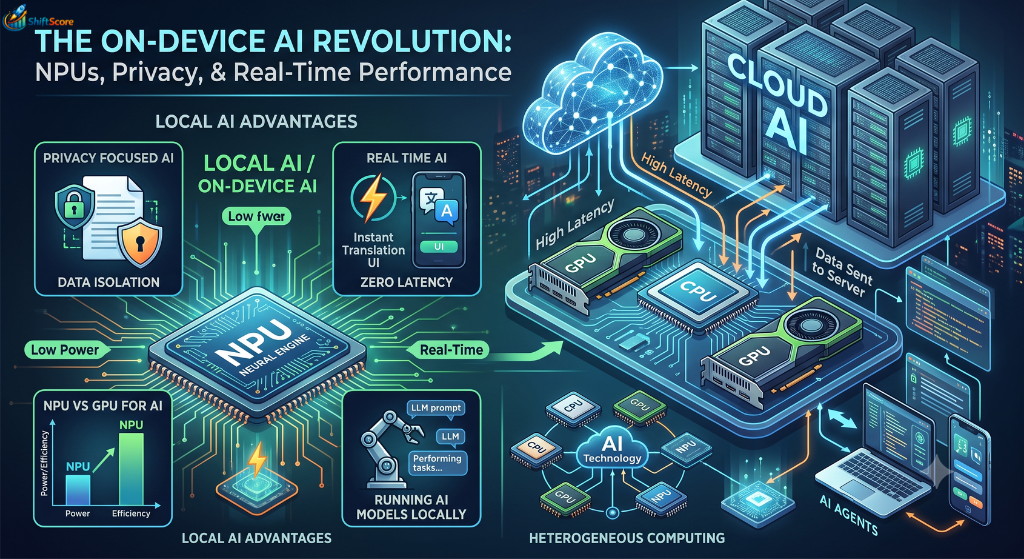
Artificial intelligence requires exceptional computing performance, making GPU AI technology a critical component of next-generation infrastructure. Graphics Processing Units accelerate machine learning, deep learning, and generative AI applications across industries.
To support this growth, companies are building larger server infrastructure equipped with advanced cooling systems, energy-efficient processors, and high-speed networking. These facilities enable enterprises to process enormous volumes of data while improving operational efficiency.
The combination of GPU AI and modern server infrastructure is becoming essential for powering intelligent applications worldwide.
Semiconductor Industry Supports AI Growth
The global semiconductor industry plays a vital role in AI development. Advanced chips power smartphones, autonomous systems, cloud platforms, and enterprise AI solutions.
As demand for AI hardware continues increasing, semiconductor manufacturers are expanding production capacity and investing in next-generation fabrication technologies. These investments strengthen global supply chains while supporting innovation in artificial intelligence and digital infrastructure.
Enterprise AI Accelerates Business Transformation
Organizations worldwide are adopting enterprise AI to improve productivity, automate operations, and enhance customer experiences. Artificial intelligence now supports finance, healthcare, manufacturing, logistics, and retail through intelligent decision-making and predictive analytics.
The rise of enterprise AI also increases demand for reliable cloud services, secure networks, and scalable infrastructure capable of supporting advanced workloads.
Machine Learning and Deep Learning Drive Innovation
Modern AI applications rely on machine learning and deep learning algorithms to analyze data, recognize patterns, and make intelligent predictions. These technologies enable businesses to automate repetitive tasks while improving accuracy and operational efficiency.
The integration of machine learning, deep learning, and generative AI continues transforming industries ranging from healthcare to transportation, making AI infrastructure more important than ever.
Smart Cities and Smart Infrastructure Shape the Future
Governments are increasingly investing in smart cities that combine digital technologies with sustainable urban planning. Intelligent traffic systems, connected public services, AI-powered surveillance, and automated utilities are improving the quality of urban life.
At the same time, smart infrastructure uses sensors, artificial intelligence, and data analytics to monitor roads, bridges, airports, and public facilities in real time. These technologies help reduce maintenance costs while improving safety and operational performance.
The future of infrastructure will depend heavily on intelligent digital systems capable of responding dynamically to changing conditions.
Energy Transition Supports Sustainable Development
One of the biggest challenges facing the AI revolution is energy demand. Massive AI data centers require reliable electricity, encouraging countries to accelerate the energy transition toward cleaner power sources.
Investments in green energy, nuclear energy, and smart grid technologies are helping nations modernize electricity networks while reducing carbon emissions. Advanced smart grids improve energy distribution, integrate renewable power, and ensure reliable electricity for AI computing facilities.
These developments demonstrate how infrastructure technology and sustainability are becoming closely connected.
Mega Infrastructure Projects Continue Worldwide
Many of today’s mega infrastructure projects combine transportation, digital connectivity, renewable energy, and artificial intelligence into integrated development strategies.
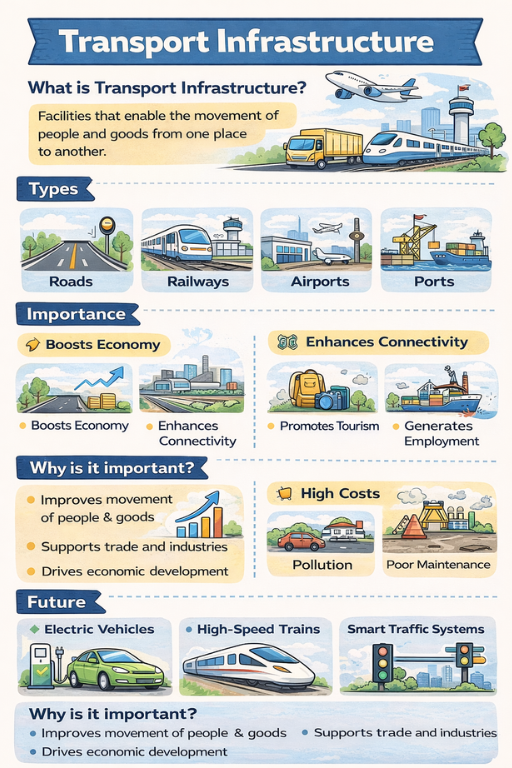
Modern transport infrastructure now includes intelligent highways, autonomous public transportation, AI-powered logistics hubs, and digitally connected rail systems. These projects improve economic productivity while strengthening international trade and mobility.
The continued expansion of green infrastructure also supports environmental goals through cleaner transportation, efficient buildings, and renewable energy integration.
The Future of AI and Global Infrastructure
The future of AI will depend on resilient, secure, and sustainable infrastructure. Investments in global infrastructure, advanced computing, semiconductor manufacturing, renewable energy, and digital connectivity are creating the foundation for long-term economic growth.
As governments and businesses continue investing in AI-driven innovation, infrastructure technology will remain one of the world’s fastest-growing sectors.
Conclusion
The AI infrastructure boom is transforming today’s world infrastructure news by driving investment in cloud platforms, smart cities, semiconductor manufacturing, and clean energy. From GPU AI and server infrastructure to smart grids, green infrastructure, and intelligent transport systems, countries are preparing for a future where artificial intelligence powers every aspect of the global economy.
The combination of cloud infrastructure, enterprise AI, machine learning, deep learning, and sustainable energy will define the next generation of global infrastructure, making today’s investments the foundation of tomorrow’s digital world.






Leave a Reply